
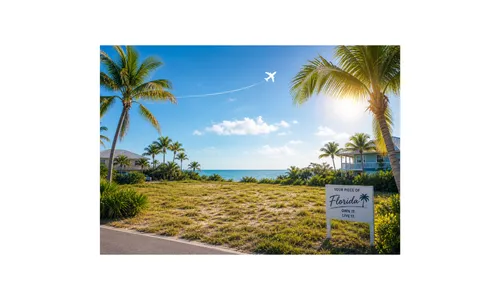
Snowbirds, Second Homes, and Empty Lots: Making the Most of Your Florida Land in 2026
"Thank you for giving me a fair value for my property and closing in 7 days!" – Shannon L. FL
When David’s mother passed away a couple of years ago, he inherited a half-acre vacant lot in Ocala. Living in Michigan, he held onto the idea that one day he might build a retirement home there—a warm escape from the long northern winters. At first, the property felt like an opportunity. But as time passed, that vision stayed distant while the realities became immediate. Property tax bills showed up like clockwork, and each year the cost of building seemed to climb further out of reach.
David’s experience reflects a broader shift happening across Florida in 2026. The state still draws second-home buyers and seasonal residents, but the vacant land market has changed in ways many owners didn’t anticipate. What once felt like a smart long-term investment or a future dream home site is, for many, turning into an ongoing financial responsibility with no clear return. If you own an empty lot in Florida today, whether you’re a snowbird or someone who inherited land from afar, it’s worth taking a closer look at where things stand and what your options really are.
The Florida Land Reality Check
Florida’s real estate market continues to attract attention, but it’s no longer moving in a single direction. Instead, it’s become more selective. Homes in desirable areas are still selling, and certain buildable lots near growing communities remain in demand. At the same time, many vacant parcels—especially those in rural areas or with development limitations—are sitting longer and selling for less than owners expected.
This shift has created a split market. On one side are properties with clear, immediate potential. On the other are parcels that require time, money, or effort to turn into something usable. If your land falls into that second category, the reality is that holding onto it may no longer bring the same upside it once promised.
Even though land values overall remain higher than they were before the pandemic, the rapid surge has slowed. For many owners, that means the peak moment to sell has already passed. Meanwhile, the costs of ownership haven’t slowed at all.
When Snowbird Dreams Meet Financial Reality
For years, owning land in Florida symbolized possibility. It meant future vacations, retirement plans, or a place to gather with family. But turning that vision into reality has become more difficult.
Take Melissa and Greg, who bought a residential lot a few years ago with plans to build a winter home. They imagined spending part of each year enjoying the sunshine and slower pace. But life kept getting in the way. Between work, rising construction costs, and increasing insurance premiums, building never quite made it to the top of their priority list.
Over time, the property shifted from something exciting to something they felt obligated to maintain. Each year brought another round of expenses, while the original dream felt further away.
This is becoming more common. Many seasonal buyers are now leaning toward move-in-ready homes instead of building from scratch. The convenience, predictability, and lower upfront effort make existing properties far more appealing. As a result, vacant lots are often left behind in the decision-making process.
The Hidden Costs Nobody Mentions
Owning vacant land may seem simple, but the true cost goes beyond just holding the title. Property taxes are the most obvious expense, but they’re only part of the picture.
There are maintenance considerations, especially if local regulations require you to keep the property clear or prevent overgrowth. In some areas, homeowners associations add another layer of fees and expectations. For out-of-state owners, even basic oversight can require time, travel, or hiring someone locally.
Then there’s the mental weight. It’s easy to overlook, but it matters. Many landowners describe a constant, low-level stress tied to a property they don’t use and don’t fully understand how to manage. It becomes one more thing on a long list of responsibilities.
When Jennifer inherited a vacant lot in southwest Florida, she initially saw it as a valuable asset. But after a couple of years of paying taxes and fielding occasional questions about the property, she began to see it differently. It wasn’t something she used, and it wasn’t contributing to her life in any meaningful way. Instead, it felt like something she had to keep up with.
That realization led her to consider selling—not because she had to, but because she wanted to simplify her situation.
Market Conditions Favor Decisive Action
The current market environment rewards clarity. While residential real estate is finding a more balanced pace, vacant land remains highly dependent on location and usability.
If your property is in a strong growth corridor with clear development potential, it may still attract solid interest. But if it’s more remote, has limited access, or requires significant investment to build on, waiting for conditions to improve could mean holding onto it for years without meaningful change.
In the meantime, costs continue. Taxes don’t pause. Fees don’t disappear. And the longer a property sits unused, the more it can feel like a burden rather than an opportunity.
This doesn’t mean every landowner should rush to sell. It does mean that being honest about your situation is more important than ever. If the original reason you bought or kept the property no longer applies, it may be time to rethink your approach.
Understanding Your Empty Lot Options
For many owners, the biggest challenge isn’t deciding whether to sell—it’s figuring out how.
Traditional real estate listings can work well for homes, but vacant land often requires a different strategy. It can take longer to find the right buyer, and the process may involve more uncertainty, especially if the property has complications like back taxes, unclear boundaries, or title issues.
That’s why more landowners are exploring alternatives. Direct land buyers, for example, focus specifically on properties that don’t fit the typical mold. They’re often prepared to handle situations that would slow down or stop a traditional sale.
This can be especially helpful for people managing property from another state or dealing with inherited land. Instead of navigating multiple steps and unknown timelines, they’re able to move forward with a clearer path.
The key is understanding that selling doesn’t have to be complicated. There are options designed to meet you where you are, whether your property is straightforward or comes with challenges.
The Relief of Moving Forward
One of the most consistent themes among people who decide to sell their land is the sense of relief that follows.
Catherine, who inherited a parcel several states away, described it simply. Once the sale was complete, she no longer had to think about it. No more tax notices. No more uncertainty. No more wondering what to do next.
That feeling isn’t just financial—it’s emotional. Letting go of a property that no longer serves a purpose can create space for other priorities. It allows you to redirect your time, energy, and resources toward things that matter more in your current life.
For some, that means reinvesting elsewhere. For others, it simply means having one less thing to manage. Either way, the outcome is often the same: clarity.
Making Your Decision in 2026
Owning land in Florida still holds potential, but that potential looks different than it did a few years ago. The market has become more selective, and the gap between high-demand properties and everything else has widened.
If you’re holding onto a vacant lot, it’s worth asking yourself a few honest questions. Are you still planning to build, or has that timeline quietly slipped away? Do the ongoing costs make sense given how you use the property? And most importantly, does keeping the land still align with your goals today?
There’s no one-size-fits-all answer. But for many owners, taking a closer look leads to a clear conclusion. Sometimes, the best move isn’t holding on—it’s moving forward.
Need Help?
If you’re unsure what to do with your Florida land, you don’t have to figure it out on your own. Whether you’re dealing with an inherited property, reconsidering second-home plans, or simply tired of paying for land you don’t use, there are straightforward ways to explore your options.
Call us directly at 888-912-3242 for immediate assistance.
Text us at 888-912-3242 for a quick response.
Click the chat icon in the bottom right corner to start a conversation now.
If you prefer online communication, visit FriendlyLandBuyers.com or use the chat feature on our website to connect with someone who understands the process.
Our team understands the challenges that come with owning vacant land from a distance. We’re here to answer your questions, explain your options, and help you decide what makes the most sense for your situation—without pressure or obligation.
Taking that first step could be the beginning of turning an ongoing responsibility into a resolved chapter.
Disclaimer:This guide provides general information and should not be considered legal or financial advice. Please consult with a qualified attorney and/or financial advisor for specific guidance on your situation.
